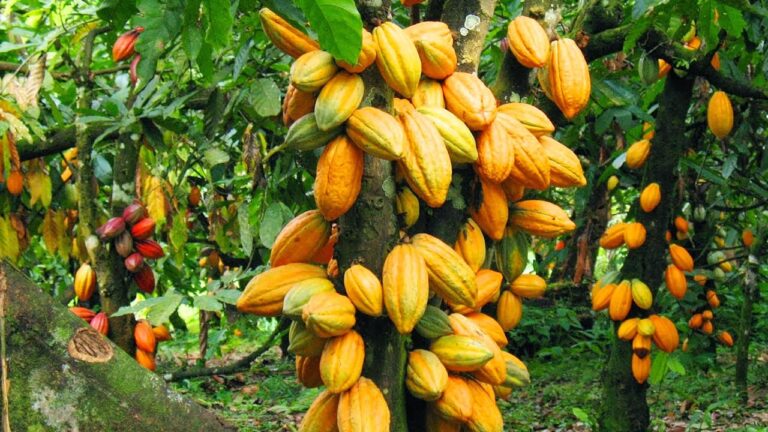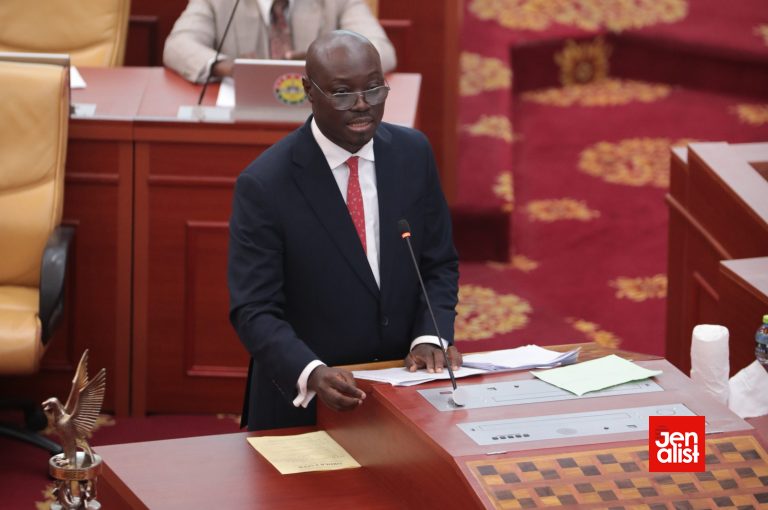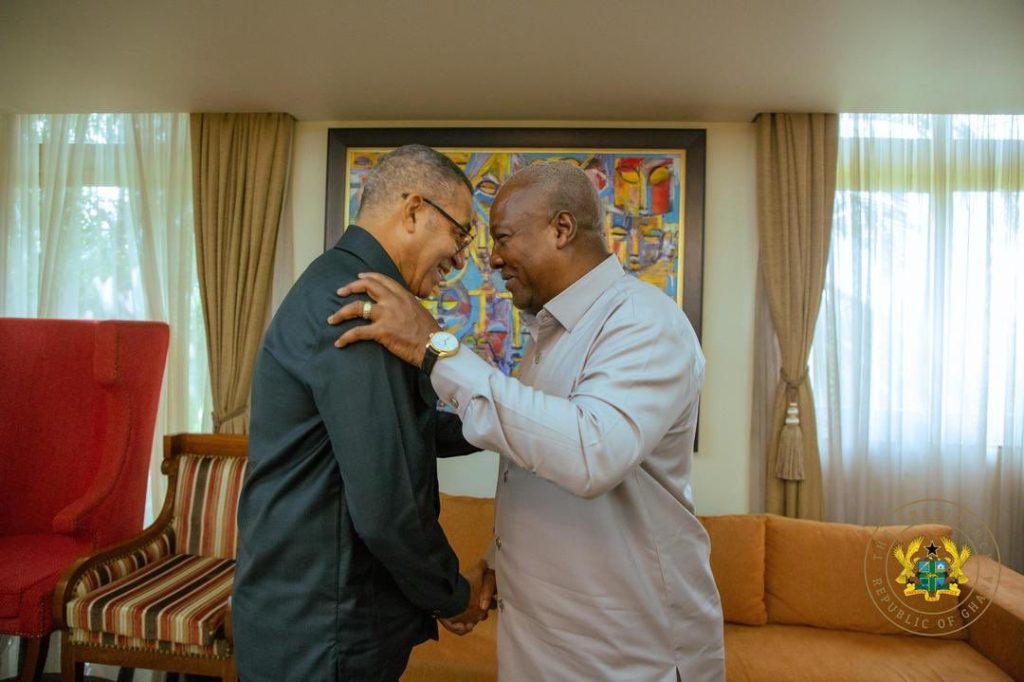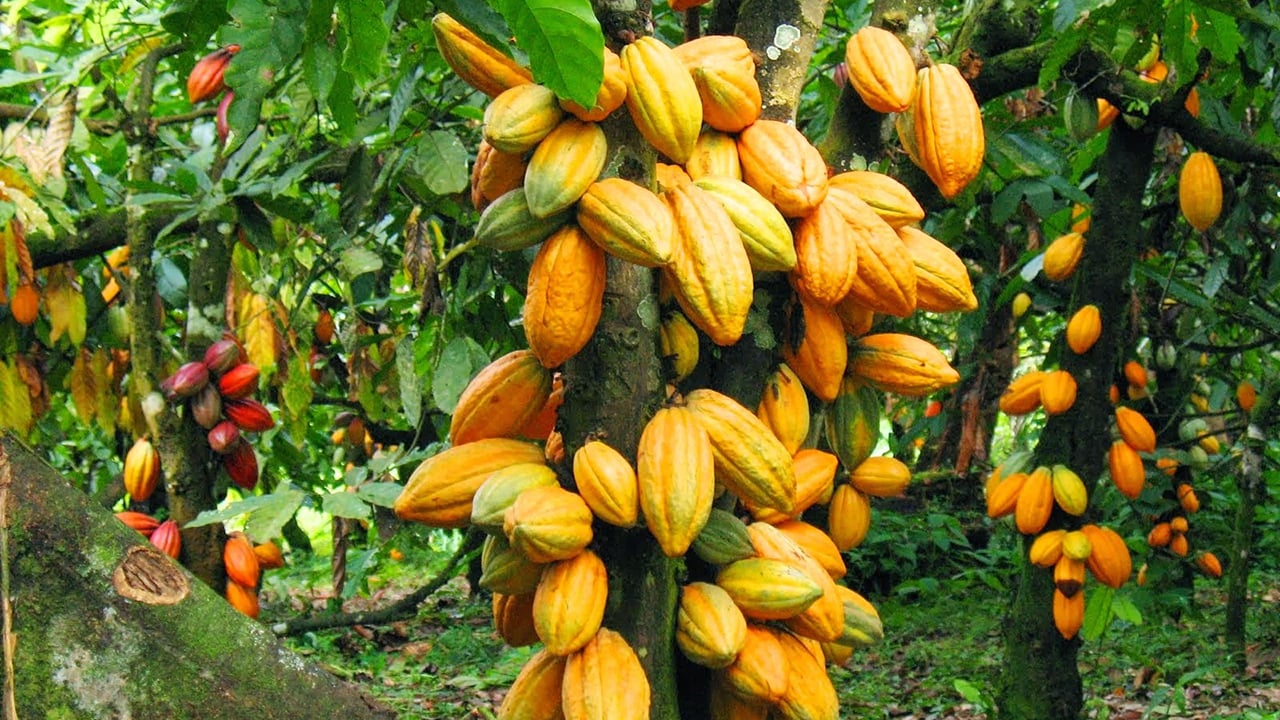





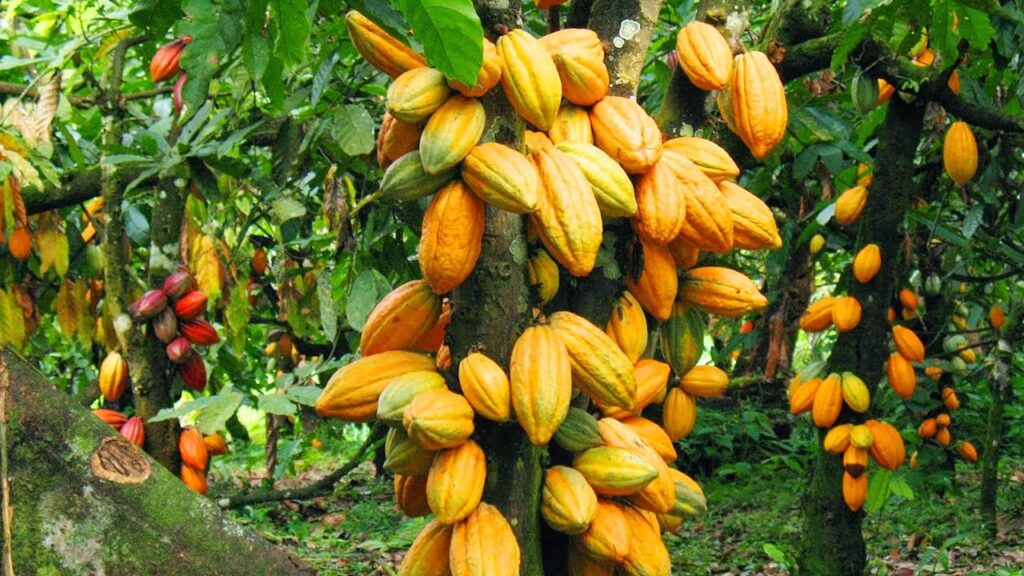
President John Dramani Mahama has reiterated his administration’s firm commitment to Ghana’s cocoa farmers by pledging that, starting from the 2025/2026 crop season, producers will receive no less than 70 percent of the prevailing world market price for their cocoa beans.
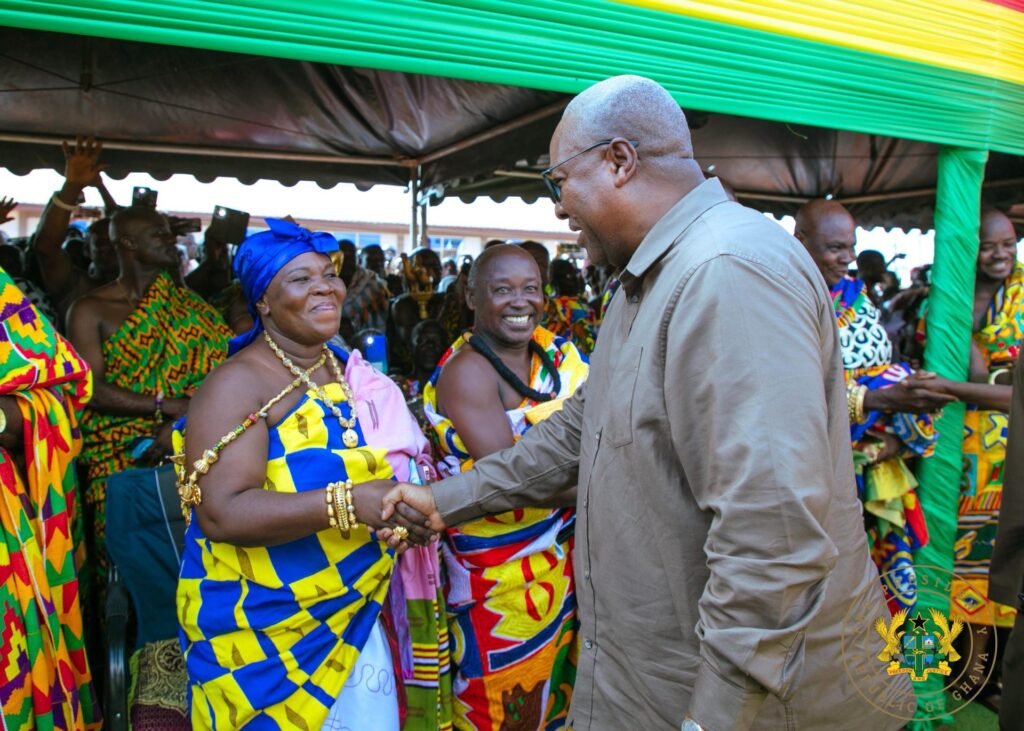
Speaking during a grand durbar of chiefs and residents in Juaboso on Tuesday, President Mahama stated:
“Let me be clear: we will honour our promise to pay our hardworking farmers 70 per cent of the world market price of cocoa. The sweat of our cocoa farmers deserves dignity and a fair reward.”
The announcement was received with enthusiastic applause from farmers and traditional leaders who have long called for fairer pricing and stronger support for Ghana’s cocoa sector.
A Bold Commitment to Cocoa Price Reform
At the heart of the president’s announcement is a new pricing formula that will be incorporated into the work of the Producer Price Review Committee (PPRC). This means the producer price to be announced for the upcoming cocoa season will directly reflect the new 70% benchmark of the international cocoa price.
This move marks a major policy shift aimed at improving farmer incomes, reducing rural poverty, and maintaining Ghana’s global leadership in cocoa production.
Infrastructure Boost for Cocoa Communities
In addition to the pricing reforms, President Mahama unveiled significant infrastructure plans to improve access to cocoa-growing areas. He confirmed that:
- Construction will begin this quarter on the Juaboso–Asawinso trunk road, a major route linking key cocoa farming districts.
- An additional 120 kilometres of feeder roads will also be rehabilitated to connect remote farming communities to cocoa-buying centres and markets.
These projects are expected to reduce transportation costs, improve post-harvest handling, and enhance market access for thousands of cocoa farmers across the Western North Region.
Supporting Productivity: Hybrid Seedlings & Fertiliser Subsidies
The government is also ramping up efforts to support productivity and sustainability within the sector. President Mahama announced that:
- Five million hybrid cocoa seedlings will be distributed to smallholder cocoa farmers across cocoa-growing regions.
- The government will scale up fertiliser subsidies to help improve yields and ensure soil health.
These interventions are designed to help rejuvenate aging cocoa farms, improve resilience to climate change, and maintain Ghana’s high-quality cocoa output.
Youth Inclusion: Revitalizing the Cocoa Economy
To ensure generational continuity and tackle youth unemployment in rural areas, the president also announced the expansion of the Cocoa Rehabilitation & Youth Entrepreneurship Programme. Under the new phase:
- An additional 10,000 young Ghanaians will be trained and deployed to rehabilitate overaged cocoa farms.
- The initiative will promote entrepreneurship, job creation, and sustainable livelihoods in cocoa-growing regions.
This forms part of the broader plan to modernize Ghana’s cocoa sector while offering decent employment opportunities for the country’s youth.
Chiefs Laud Mahama, Call for Continued Collaboration
Traditional leaders in Juaboso and surrounding areas welcomed the announcement, praising the president for delivering on key promises made during previous visits. They also called for:
- Continued investment in healthcare and education infrastructure
- Expanded access to markets and financial services
- Stronger collaboration between government, COCOBOD, and local communities
💬 Cocoa: The Lifeblood of Ghana’s Rural Economy
President Mahama concluded his address by describing cocoa as “the lifeblood of our rural economy”, emphasizing that protecting farmer livelihoods is central to Ghana’s economic development strategy.
“When cocoa farmers thrive, Ghana thrives. Their welfare must remain at the heart of our national agenda,” he declared.